Health and Safety Policy — Flat Clearance Brompton
This Health and Safety policy sets out the commitment of Flat Clearance Brompton to provide a safe, healthy and compliant working environment for employees, contractors and members of the public involved in our flat clearance and rubbish removal operations. The policy applies to all aspects of our waste clearance and house clearance services, including bulky waste handling, recycling segregation and vehicle loading. We adopt a risk-based approach to ensure hazards are identified, evaluated and controlled before any clearance, disposal or transport work begins. Prevention of harm and continuous improvement are central to our management arrangements.Our objectives are to minimise workplace accidents, reduce exposure to occupational hazards and ensure legal and industry standards are met. All staff will be trained to understand their responsibilities in the delivery of safe rubbish company services, and management will provide the necessary resources and oversight to implement this policy. We will maintain written procedures, conduct regular inspections and review performance metrics to ensure the flat clearance service is delivered safely and responsibly. Risk assessment is carried out for every site and job type.
Scope and Responsibilities
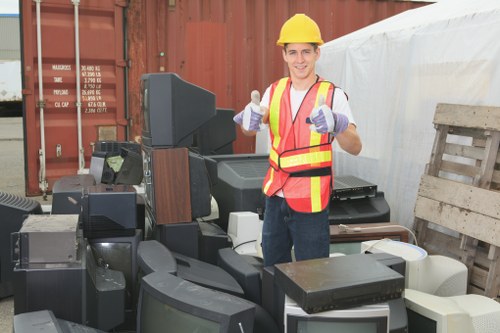
The policy covers site assessment, manual handling, hazardous materials handling, vehicle loading/unloading, waste segregation and customer interaction at domestic premises. Management will appoint competent supervisors who are responsible for implementing controls and ensuring compliance with this policy. Employees are required to follow safe work procedures, report hazards and take reasonable care for their own safety and that of others. Our rubbish removal teams will wear appropriate identifiers and PPE and will follow safe systems of work tailored to each job. Accountability rests at all levels of the organisation.Risk Management and Safe Systems
Risk assessments will be documented and reviewed regularly or when changes occur to processes, plant or materials. Controls will follow the hierarchy of prevention: eliminate, substitute, isolate, use engineering controls, administrative controls and finally personal protective equipment. For example, heavy items will be disassembled where possible to eliminate manual lifting risks; trolleys and mechanical aids will be used to reduce manual handling; clear exclusion zones will be established to protect passers-by during rubbish collection. We ensure that every flat clearance job has a clear job plan and method statement. Training, Competence and Communication: Staff will receive induction training and ongoing refresher courses covering manual handling, safe loading, hazardous waste awareness, and vehicle safety. Supervisors will maintain records of competencies and ensure that temporary or agency staff are provided with the same information and instruction. Communication with customers on safety arrangements is emphasised to reduce unforeseen hazards during clearance activities. All incidents and near misses will be reported and investigated to prevent recurrence and to inform staff briefings.
Operational controls include:
- Pre-job site inspection and risk assessment.
- Use of appropriate lifting techniques and mechanical aids.
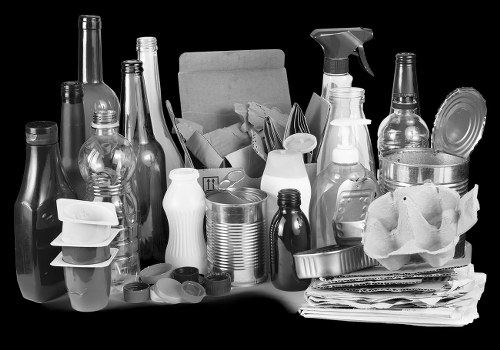
- Segregation and labelling of waste streams for recycling and disposal.
- Clear traffic management for vehicle access and egress.
- Safe handling and disposal of hazardous materials (e.g., batteries, solvents) in line with waste handling protocols.
Health, Welfare and Occupational Safety: We provide access to first aid, welfare facilities and handwashing stations appropriate to the nature of the job, and we monitor staff health where work activities present specific risks such as repetitive lifting or exposure to dust. Occupational safety also covers vehicle safety checks, secure load restraint and safe driving practices during transfers between sites. Regular maintenance of equipment and vehicles reduces the likelihood of mechanical failure that could lead to injuries or environmental incidents.
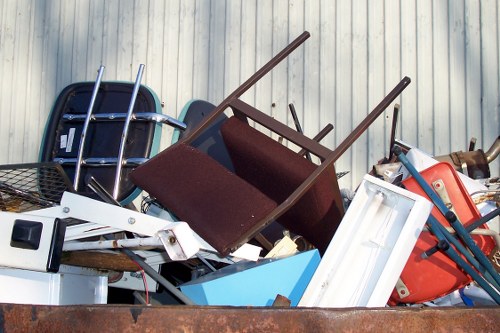 Emergency Preparedness and Incident Management: Clear procedures are in place for emergency response, including spill control, fire response and injury escalation. All staff receive instruction on emergency procedures relevant to their role and location. Incidents are recorded, investigated and lessons learned are disseminated through toolbox talks and updates to operational procedures. Where the removal or discovery of dangerous materials is suspected, the team will isolate the area and follow the designated escalation path to engage specialist disposal services.
 Monitoring, Review and Continuous Improvement: We will monitor compliance through audits, inspections and performance indicators such as incident rates and corrective action closure times. This policy will be reviewed at least annually or when significant operational changes occur. Senior management will regularly review health and safety performance and commit to providing appropriate resources to address identified gaps. Continuous improvement is achieved by learning from incidents, adopting best practice in waste clearance, and integrating feedback from operational teams into updated procedures.
Roles and responsibilities are defined to ensure clarity: management provides leadership and resources; supervisors implement safe systems; employees follow procedures and report concerns; and contractors comply with our standards before undertaking work. We emphasise the importance of teamwork in delivering safe flat clearance operations, and we require all personnel to behave responsibly and professionally during rubbish removal tasks.
Compliance with this Health and Safety policy forms a condition of employment and engagement with our flat clearance and waste clearance partners. Failure to adhere to the procedures may result in corrective action. The organisation is committed to maintaining a culture where safety is embedded into daily routines and where every member of staff feels empowered to act on safety concerns.
Signed and endorsed by senior management, this policy statement underpins our approach to health and safety across all rubbish removal and clearance activities. Through clear procedures, competent people, and an ongoing commitment to safe working, we will protect our workforce, clients and the communities we serve while delivering efficient and responsible waste clearance services.